
In the traditional healthcare model, most people only seek help when something "breaks." Whether it’s a stiff back after a long week at the desk or a sudden knee "tweak" while walking through The Quarry, the goal is usually just to stop the immediate pain. However, at Proactive Rehabilitation (ProHab), we believe that stopping at …

In the traditional healthcare model, most people only seek help when something “breaks.” Whether it’s a stiff back after a long week at the desk or a sudden knee “tweak” while walking through The Quarry, the goal is usually just to stop the immediate pain.
However, at Proactive Rehabilitation (ProHab), we believe that stopping at “pain-free” is exactly where most recovery plans fail. If you only treat the symptom, you leave the door open for the injury to return. Here is how our veteran-led approach is redefining physical health for the Shrewsbury community.
The Problem with “Reactive” Car
Traditional physiotherapy often follows a “sickness” model. It is designed to get you back to a basic level of functioning, but rarely to a higher level.
- The Visit: You have a symptom or sharp pain.
- The Treatment: You receive a 20-minute “maintenance” session.
- The Result: The pain subsides, and you are discharged.
The catch? The underlying weakness—the actual reason the injury happened—is still there. This creates a “revolving door” of injuries that keep you off the pitch, away from the gym, or fearful of daily activities.
The ProHab Difference: Veteran-Led Precision
Led by an Armed Forces veteran with 27 years of operational experience, ProHab isn’t a standard high-street clinic. Our ethos is built on accountability, technical precision, and a mission-focused mindset. We don’t just “fix” you; we “bulletproof” you.
The 90-Minute “Deep Dive”
Standard 20-minute slots don’t allow for real answers. We dedicate 90 minutes to your initial assessment to look at your body as a complete system. Using the biopsychosocial model, we evaluate:
- Movement Mechanics: Identifying the “weak links” in your kinetic chain.
- Lifestyle Factors: How sleep, stress, and nutrition impact your tissue healing.
- Environmental Demands: What your body actually needs to do, whether that’s elite sport or playing with grandchildren in the garden.
From Passive to Active Recovery
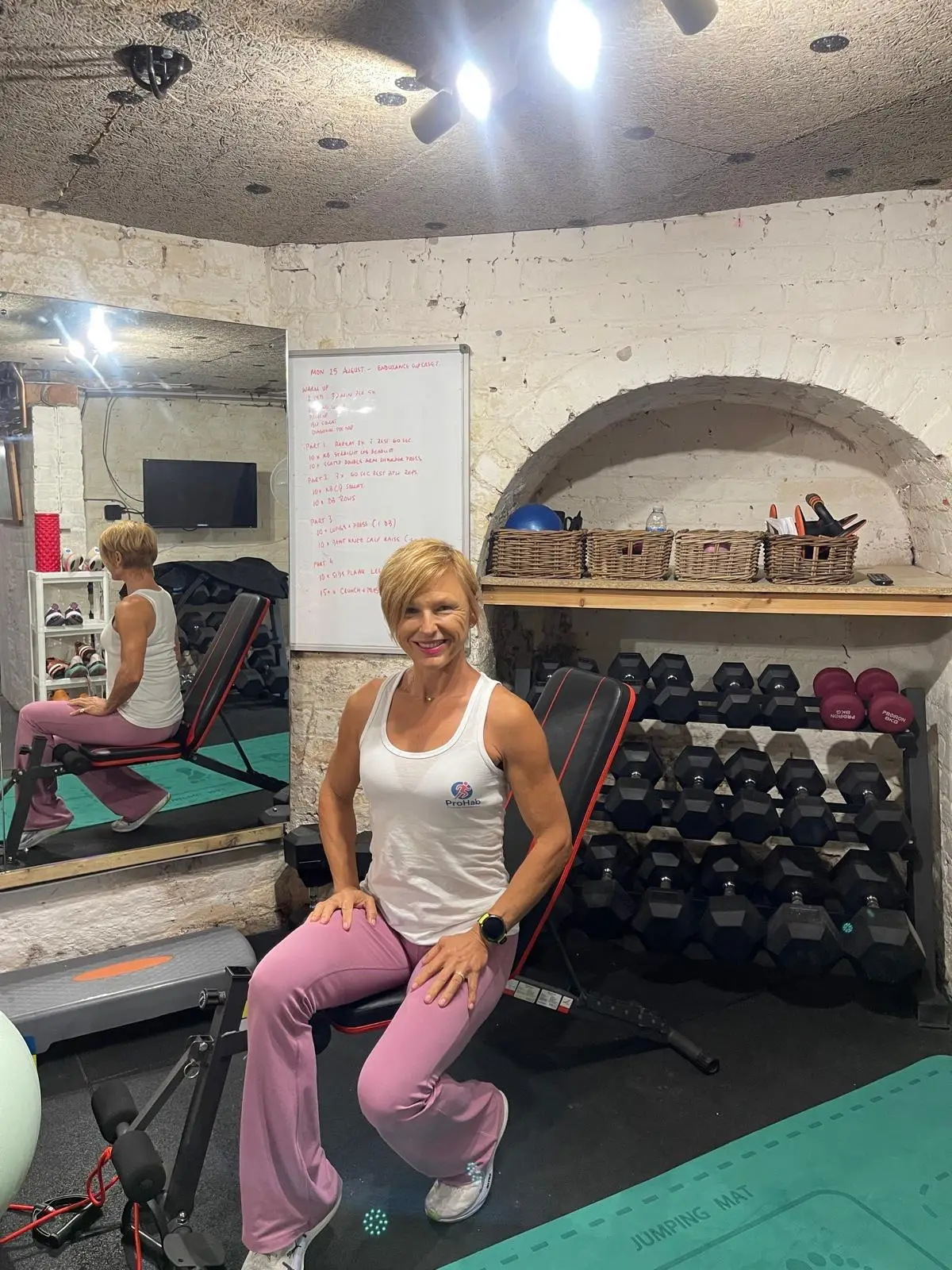
We use manual therapy—such as deep tissue work or dry needling—to “calm” the nervous system. But we view this only as a window of opportunity. The real transformation happens when we move from the treatment table to the gym floor. By using evidence-based strength science, we rebuild your muscles and tendons to be more resilient than they were before the injury.
Our 4-Phase “Bulletproofing” Framework
We guide every patient through a structured, military-grade progression to ensure nothing is left to chance:
- Symptom Management: We use hands-on techniques to reduce inflammation and get the initial pain under control.
- Load Introduction: We introduce controlled stress. This is where we rebuild the integrity of your tissues so they can handle force again.
- Functional Restoration: We transition you back to your specific environment—whether that’s a professional rugby pitch or a local Shrewsbury hiking trail.
- The Proactive Exit: We don’t just say goodbye; we provide a long-term resilience plan to help you move forward.
A Vital Asset for the Shrewsbury Community
Shrewsbury is a town of “doers.” From the hikers tackling the Long Mynd to the athletes at local clubs and the professionals navigating high-stress careers, your body is your greatest tool.
Whether you are recovering from a major surgery at the Royal Shrewsbury Hospital or simply tired of a “niggle” that won’t go away, you deserve a plan that looks at the long term.
Strength is the currency of health. In an era where the UK is shifting from “sickness to prevention,” Proactive Rehabilitation is leading the charge. We prove that proactive care isn’t just an alternative to reactive treatment—it is the future of physical longevity.
Book a Consultation
It’s easy and free!